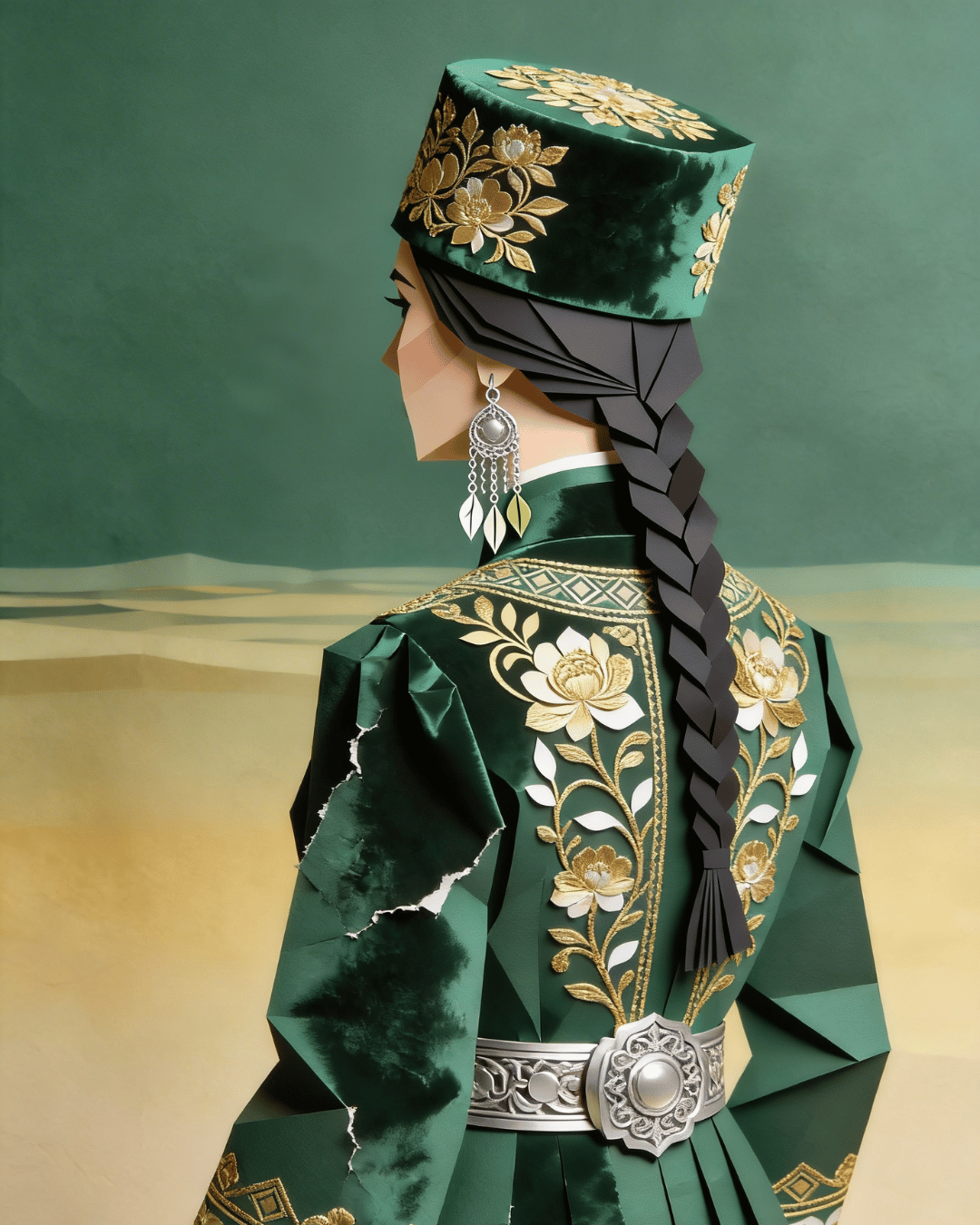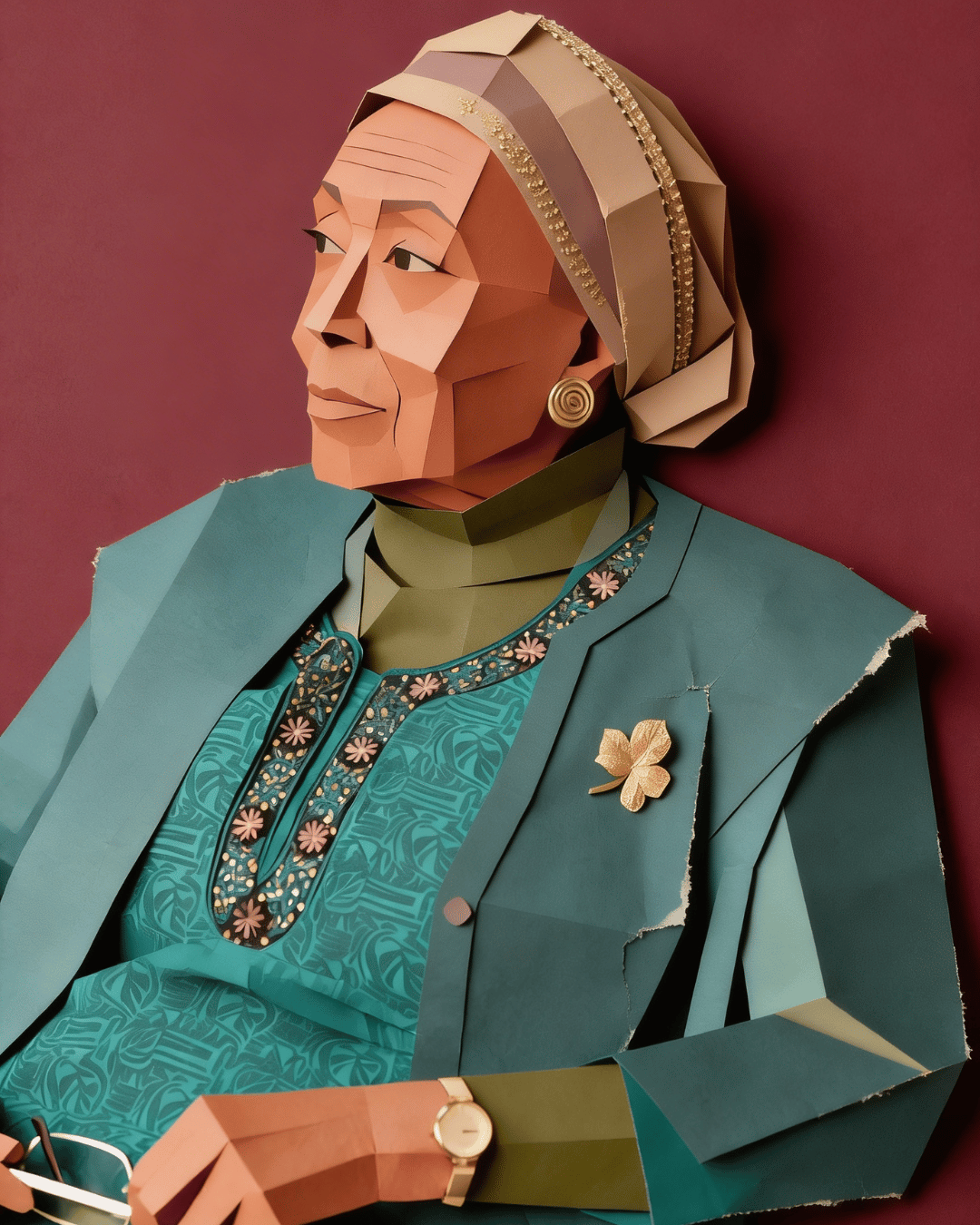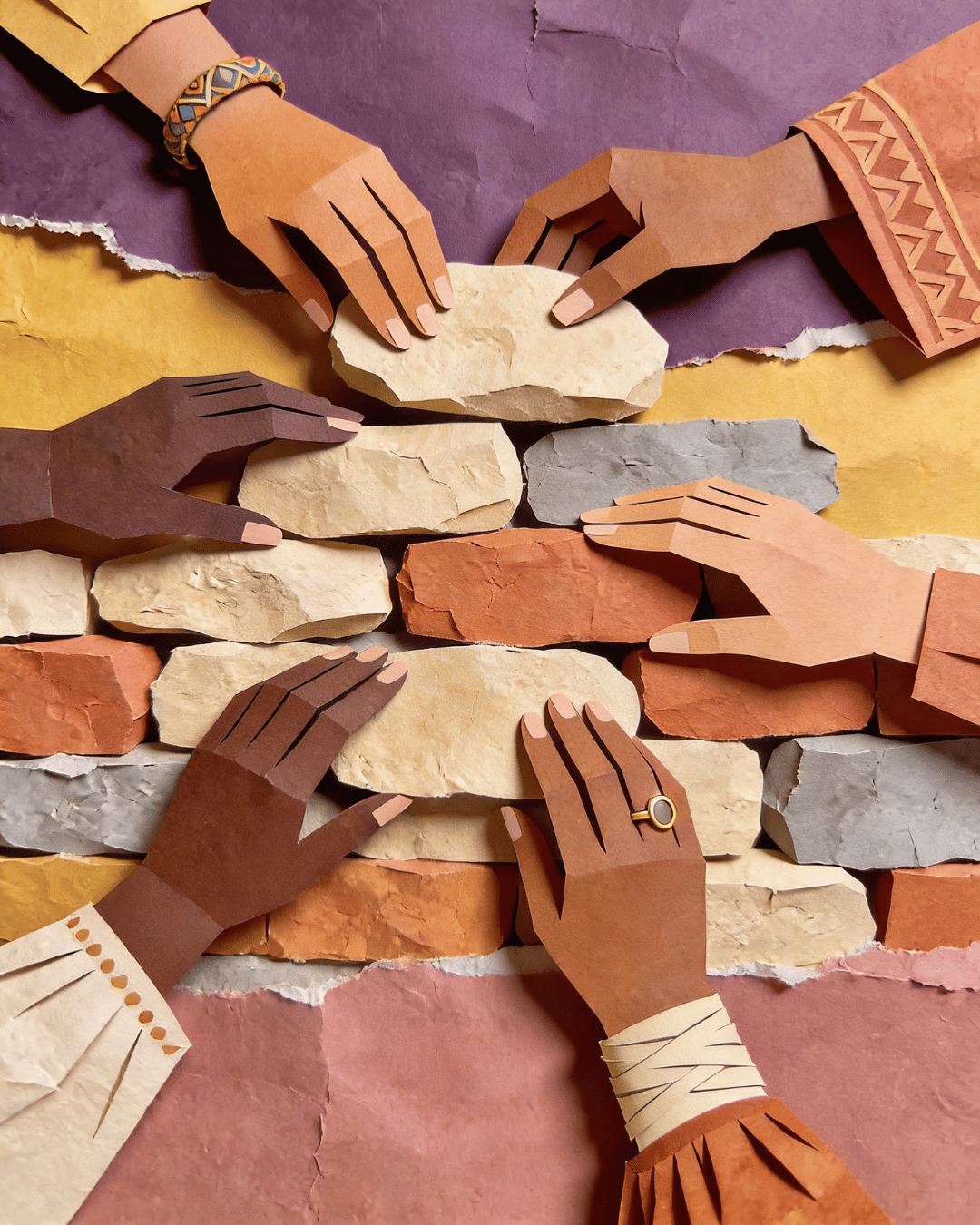

I still remember sitting in a small hall in Hargeisa, listening to women share their stories. Some spoke quietly, others with strength, but all of them carried something powerful—resilience. What stayed with me most wasn’t just what they had been through, but how determined they were to rebuild their communities.
When people talk about Somaliland, they often focus on peace, stability, and democracy. And yes, that matters. But there’s another story that doesn’t get told enough: the story of women who have been shaping change from the ground up for years.
Over the past three decades, women haven’t just been part of the journey they’ve been leading it in many ways.
After the collapse of the Somali state in 1991, everything had to be rebuilt. Systems were gone, trust was broken, and communities had to find their own way forward.
Women stepped in where they were needed. Not for recognition, but because there was no other option. They helped bring people together, supported peace efforts, and kept communities functioning. Even when they weren’t in the official spaces, their influence was there—quiet but powerful.
Today, that same energy continues at the grassroots level. Women are creating small savings groups, supporting each other financially, and building something from very little. They are also speaking up about issues like gender-based violence and creating safe spaces for those who need support.
I’ve seen how these small efforts can completely change someone’s life. A woman who felt alone starts to find her voice. A young girl begins to believe she has options.
It may look small from the outside, but it’s not.
There has been progress in education, but challenges are still there. Some girls are forced to leave school early because of marriage, poverty, or expectations placed on them. But at the same time, there are people working hard to change that. Scholarships, mentorship, and training programs are opening doors. And behind every success story, there’s a struggle that was overcome.
If you walk through the markets, you’ll see women everywhere—selling, negotiating, running businesses. Many are finding ways to support themselves and their families through small businesses and entrepreneurship. But it’s not easy. Access to money is limited, and there are still biases that make things harder. Even so, they keep going.
Because for many women, earning their own income isn’t just about money, it's about independence.
Speaking About What Was Once Silent
Gender-based violence is still a serious issue, and not everyone feels safe speaking about it. But things are slowly changing. There are now support systems like shelters and legal aid, and more awareness is being created. More women are starting to speak out, even though it’s not easy.
And that matters.
Even with everything women contribute, their presence in politics is still low. There are conversations happening about quotas and inclusion, but change is slow. Women are active in communities, but that doesn’t always translate into leadership positions. It raises a simple question—why not?
Healthcare has improved in some areas, especially in cities. But in rural places, access is still limited. Mental health is also something that doesn’t get enough attention. Many women carry stress, trauma, and responsibility, often without support. It’s something that needs more focus.
One of the most inspiring things right now is the role of young women. They are using social media to speak up, challenge norms, and share their perspectives. They are more visible, more vocal, and less willing to accept things as they are. They are pushing for change in a different way and it’s working.
The story of women in Somaliland is not just about challenges. It’s about strength, persistence, and change that is happening every day.
Women are building communities, supporting each other, and shaping the future in ways that are not always visible—but very real.
There is still a long way to go. But one thing is clear: Change is already happening.
And it’s being led by women who refuse to stay on the sidelines.