
Baloch Women and the Anatomy of Resistance
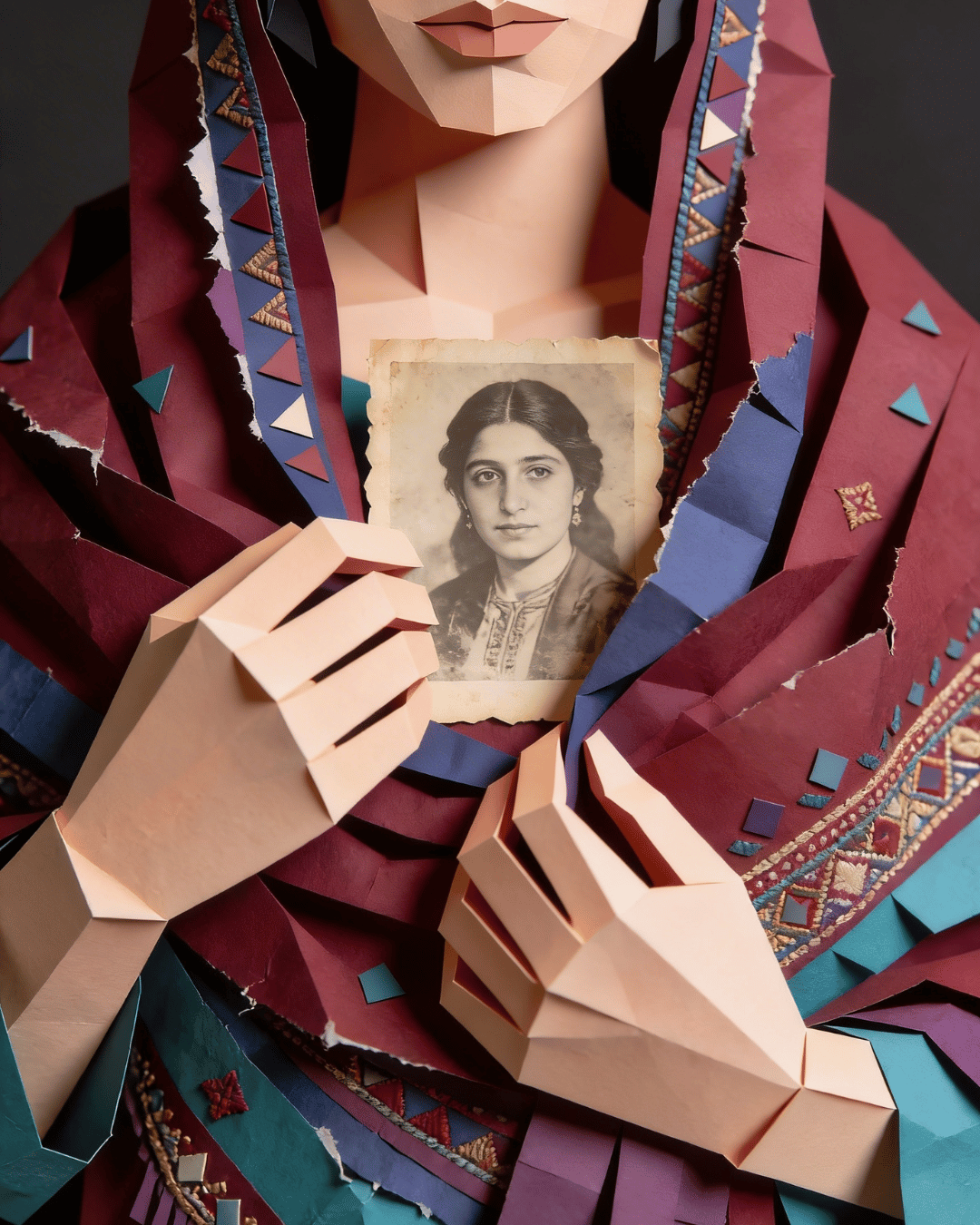
In Balochistan, resistance does not always arrive with slogans or weapons. Sometimes, it arrives quietly, wrapped in a shawl, holding a faded photograph, sitting on a cold road from morning till night. Sometimes, resistance is a mother who has lost her son and refuses to return home without answers. Sometimes, it is a daughter who steps out of the private world she was taught to survive in, into a public struggle she never asked for but can no longer escape.
The enforced disappearance of Baloch women is not an unfortunate by-product of conflict. It is a deliberate strategy. A calculated attempt by the state to break the moral spine of a people by targeting those who carry memory, culture, and continuity. The state fears Baloch women not because they are weak but because they are conscious. Because a woman who understands injustice does not resist alone; she teaches resistance to generations yet unborn.
This fear explains why Baloch women are being abducted, silenced, humiliated, and erased. Why prisons and torture cells have become the new classrooms for women whose only “crime” is refusing to forget their missing loved ones. Why a young girl like Mah Jabeen has been forced to survive months of torture, isolation, and indignity, her body held captive, but her conscience untouched.
How does a woman move from the intimate rhythms of domestic life to the unforgiving terrain of political resistance? There is no single moment of awakening. It is gradual, painful, and imposed.
It begins when a knock on the door replaces the evening meal. When a brother does not return. When a father is taken for questioning and never comes back. When the home becomes a waiting room and hope becomes an act of defiance.
For decades, Baloch women were expected to endure silently. The state assumed their suffering would fold inward, that grief would weaken them. Instead, it made them resilient. Women who once nurtured families began nurturing a movement. They went to police stations, courts, commissions, and offices carrying files heavier than their bodies. When institutions failed them, they turned to the streets.
In Tajaban, in Kech, an elderly mother sat on the road through the last sunset of one year and welcomed the first sunrise of the next in the same place. She did not demand power. She did not ask for privilege. She asked for her child. The state, armed with its claims of peace and development, did not even dare to ask her why she was there.
That silence speaks louder than any verdict.
The story of Baloch society can be told in many ways, but one sentence captures its evolution most truthfully: it is a history shaped by repeated state violence.
Enforced disappearances. Collective punishment. Extrajudicial killings. Bodies mutilated and discarded as warnings. Villages flattened through military operations. Families evicted. Women violated during so-called security operations. For over seven decades, these practices have been normalised, institutionalised, and justified under the language of law and order.
In this environment, Baloch women did not merely witness oppression, they absorbed it, survived it, and resisted it. Resistance was not a choice; it was the only way to remain human.
The promise of “development” arrived wrapped in destruction. Natural resources were extracted while communities were erased. Prosperity was defined as silence. Peace was enforced through displacement. And every day, another family learned that the cost of living in Balochistan was the disappearance of someone they loved.
As Baloch women emerged as political actors, the state recalibrated its tactics. First, it criminalised their grief. Then it criminalised their voices. Today, it criminalises their existence.
Law enforcement institutions that should protect citizens have become shields for perpetrators. The judiciary, instead of offering relief, often legitimises impunity. Democracy exists but only as a safeguard for the powerful. For the oppressed, it is an illusion.
State-aligned media plays its role with precision. Silence in print. Propaganda on screens. Character assassination on digital platforms. Baloch women, political or otherwise are portrayed as threats, deviants, or foreign agents. Their pain is erased, their integrity questioned, their humanity denied.
This is not journalism. It is participation in violence.
The most extraordinary transformation in Baloch resistance has been the collective power of women. What began as individual grief became organised resistance. A question became a march. A march became a movement.
During the Long March, Baloch women walked with photographs of their disappeared loved ones. By the time they reached the corridors of power, those same women had reframed the struggle. Personal loss gave way to a national question. Gender was not a weakness; it was a moral force.
A mother whose son was brutally killed by state forces did not retreat into silence. She performed his last rites with national poetry and songs turning mourning into memory, and memory into defiance.
This is what the state cannot defeat.
In a bitter irony, the state now attempts to weaponise religion against Baloch women questioning their morality, their faith, their place in public life. Yet history, including Islamic history, is rich with women who chose resistance over submission, dignity over survival, martyrdom over slavery.
Baloch women draw from this legacy not as symbolism, but as lived reality. Their struggle is not against faith; it is against erasure. Not against society; but against a system that thrives on fear.
The enforced disappearance of Baloch women is not only a Baloch issue. It is a human issue. A test of global conscience.
Justice is not optional for peace; it is its foundation. No society can survive when mothers are left to protest alone, when daughters are dragged into darkness, when truth is treated as treason.