
Ara oilam Rohingyar zati
(We are Rohingya community)
Ara oilam Arakan deshor baki
(We are successors of Arakan country)
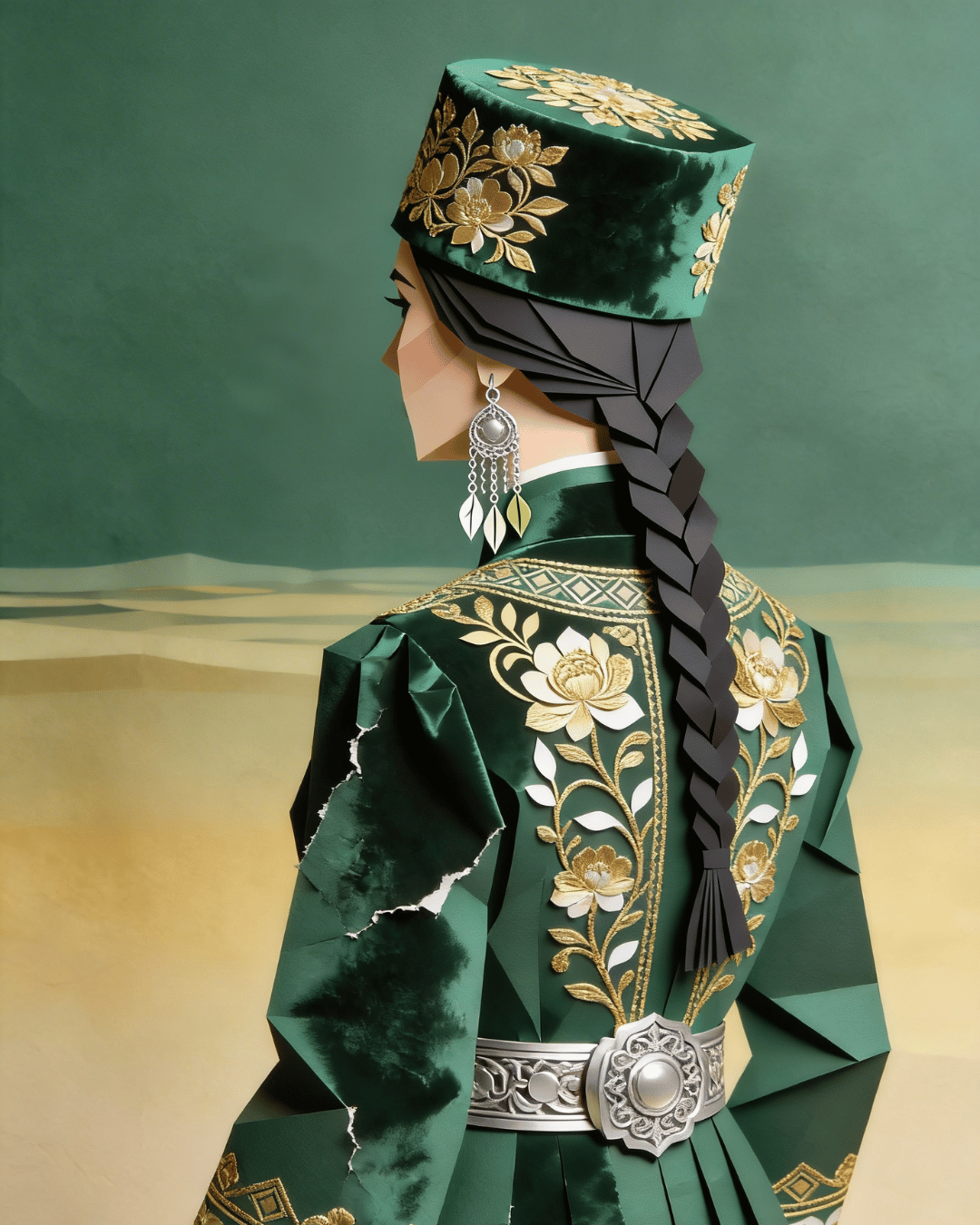
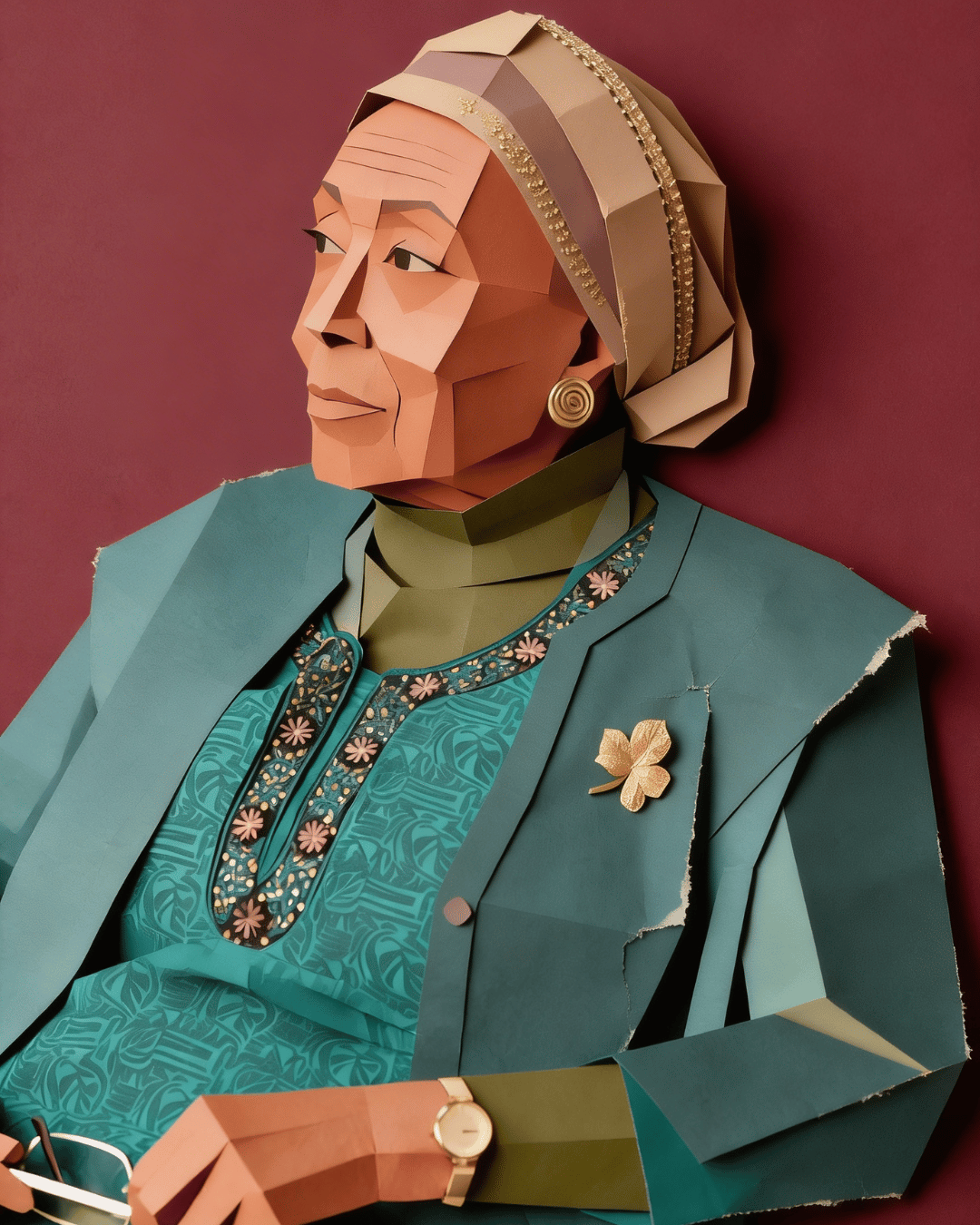
Far deep within the Cox’s Bazaar refugee campsite, the melodic tunes of the Rohingya anthem accompanies 32-year-old Saifana Begum, mother of 2 beautiful teenage daughters, as she teaches them the weaves of nakshi kantha (traditional embroidery). For Saifana, this embroidery is not just a hobby, but rather her means of preserving her culture that the brutal military regime has been working very hard to conceal and erase. Each floss of the coloured thread through the fabric reminds her of the vibrant life she once held in Rakhine State; the green of the paddies and the gold of the harvest, before those same fields were scorched during the 2017 massacre. The needle, though small, is her tool of defiance; as she pulls the thread tight, she stitches together the fragments of a soul the world tried to tear apart, finding in every completed pattern a renewed hope for her people’s survival.
The history of the Rohingya is defined by over 84 years of systemic persecution, culminating in the 2017 ethnic cleansing campaign that forced more than 700,000 people from their ancestral lands. Within this exodus, lies a staggering 77% to 85% women and children, which were the primary targets of a campaign designed to shatter the community’s future.
According to the United Nations, more than 400,000 women and girls were subjected to extreme sexual violence or witnessed gender-based atrocities in Myanmar. The military forces utilised sexual assault as a calculated weapon of war, employing gang rape, mutilation, and the branding of victims as tools of dehumanisation. For many, the violence did not end with the escape; pregnant women, children as young as six, and the elderly were subjected to unspeakable torture, leaving a legacy of trauma that haunts the survivors to this day.
Even within the relative sanctuary of the Bangladesh camps, peace remains a distant concept for the majority. Displacement has traded one set of horrors for another: women now navigate a landscape fraught with the risks of abduction, human trafficking, and the constant threat of fire in overcrowded shelters. This external insecurity is exacerbated by a secondary, internal battlefield of societal normalisation. Within the conservative structures of the camps, domestic abuse is frequently minimised, and a rigid patriarchy often demands that women exist in a state of servitude, deprived of agency over their own lives. With men rarely held accountable for acts of violence and a lack of access to formal justice, education, or reproductive healthcare, Rohingya women exist at an intersection of statelessness and silence, fighting for their basic human rights in a world that has largely left them unprotected. However, the systematic stripping of their identity did not result in a vacancy of spirit.
Instead, it ignited a movement of quiet, relentless self-determination. In the refugee camps of Bangladesh, the sewing machine has become a tool of both economic survival and personal liberation. Through these programs, women are not just learning to sew clothes to put food on the table, but they are also stitching together a new sense of agency. This empowerment is a holistic transformation, one where literacy, the acquisition of legal knowledge, and a growing awareness of their fundamental rights have allowed women to transition from victims of circumstance to architects of their own lives. This resistance is deeply rooted in the preservation of the "Arakan soul." Through the traditional arts of weaving and embroidery, passing down of folklore tales and songs, as well as the preparation of ancestral dishes, Rohingya women are ensuring that their culture survives the systemic attempts at its erasure.
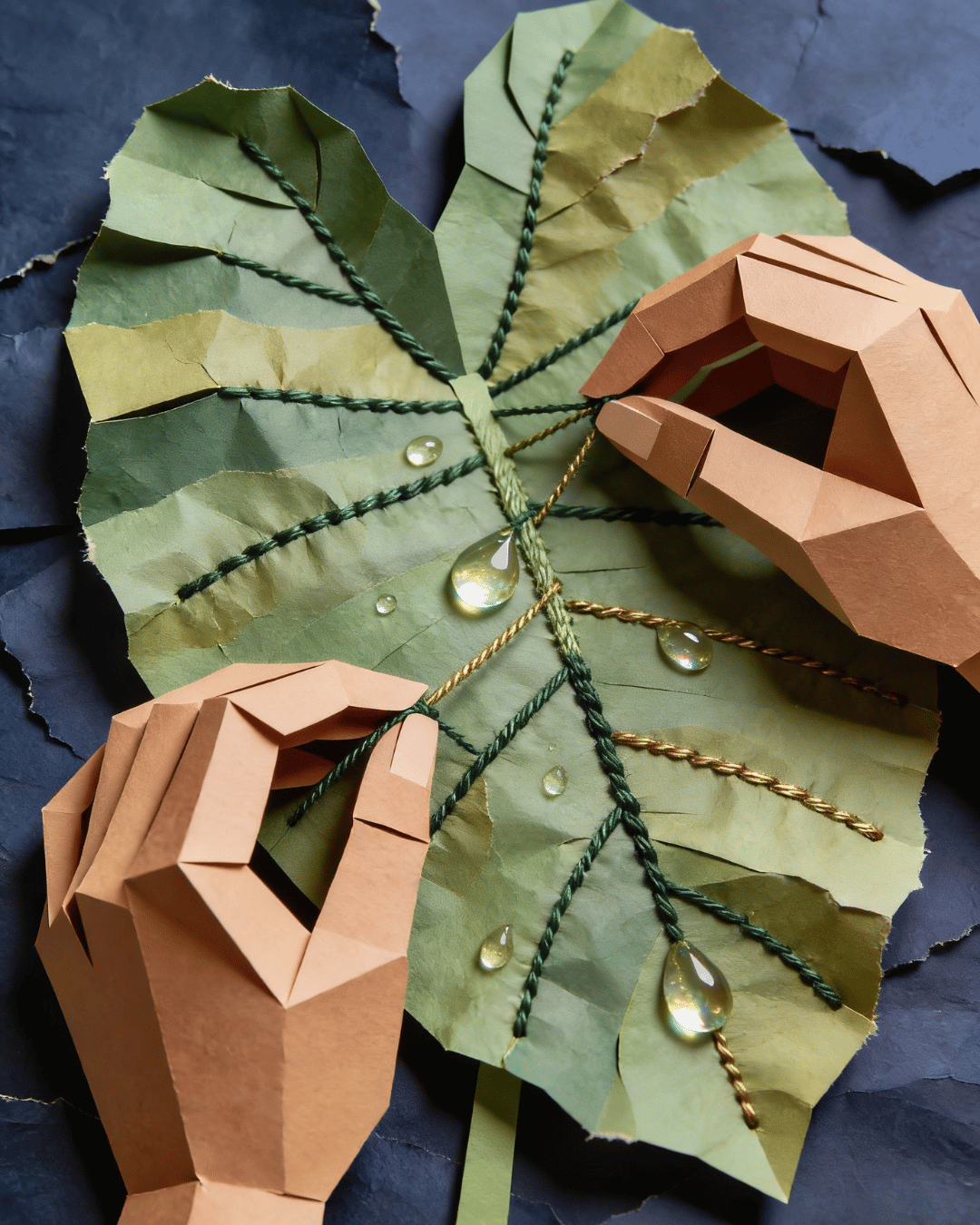
In the Aceh camps of Indonesia, this spirit is poignantly captured through the symbol of the taro leaf (Hoñsu Fathar Faaní).
Much like water that beads and rolls off the leaf without ever being absorbed, the taro leaf represents the precarious reality of statelessness and displacement, of existing on a land that refuses to let you take root. Yet, even in the harshest environments, these women remain unyielding. They are no longer just asking for help; they are demanding education, seeking justice, and proving that while they may have lost their homes, they have never lost their resolve.
The transformation of the Rohingya woman’s role is most visible in the shift from the private domestic sphere to the front lines of community leadership. In the rigid and often conservative environment of the refugee camps, where formal authority is frequently viewed with suspicion, trust has emerged as the only currency women are free to spend. Through gender volunteer programs and women-led networks, these individuals have become the indispensable bridge between their communities and international aid organisations, particularly in navigating sensitive issues like gender-based violence and access to education. By leveraging their deep-rooted communal ties, they have successfully moved from the periphery of decision-making to the center of humanitarian coordination, ensuring that the specific needs of women and children are no longer sidelined.

The Rohingya Maiyafuinor Collaborative Network (RMCN) exemplifies this evolution by providing direct, high-stakes humanitarian action where larger agencies often struggle to reach. Between May and October 2024, RMCN was among the first to respond to the escalating violence in Rakhine State, reaching over 2,000 families with survival kits, emergency rations, and infant formula. Their commitment extends into the most dangerous conflict zones of Myanmar, where they carefully navigate risks to support families trapped in IDP camps. Beyond material aid, the network provides critical gender-sensitive protection, such as securing safe housing and medical support for survivors of trafficking and sexual violence, as well as providing sanctuary for women facing communal threats due to social stigmas. By mobilising over USD 200,000 through global collaborations and digital campaigns, RMCN translates these resources into a comprehensive support system that ranges from cash and nutrition assistance to vocational training and lifelong education, designed to foster long-term socio-economic independence and psychosocial recovery for all demographics.
In essence, such collaborations between international bodies and women-led networks like RMCN is no longer just a recommendation, but rather a necessity for the survival of the Rohingya people. Much like the nakshi kantha, the future of this community is being stitched together from different threads of leadership, culture, and endurance. To achieve true self-determination, the world must finally listen to the women who have been holding the community together all along. Their quest for identity is not just a story of suffering, but a roadmap toward a future where the Rohingya are no longer defined by what they have lost, but by the resilience they have built.