
Crimea's Unbreakable Women
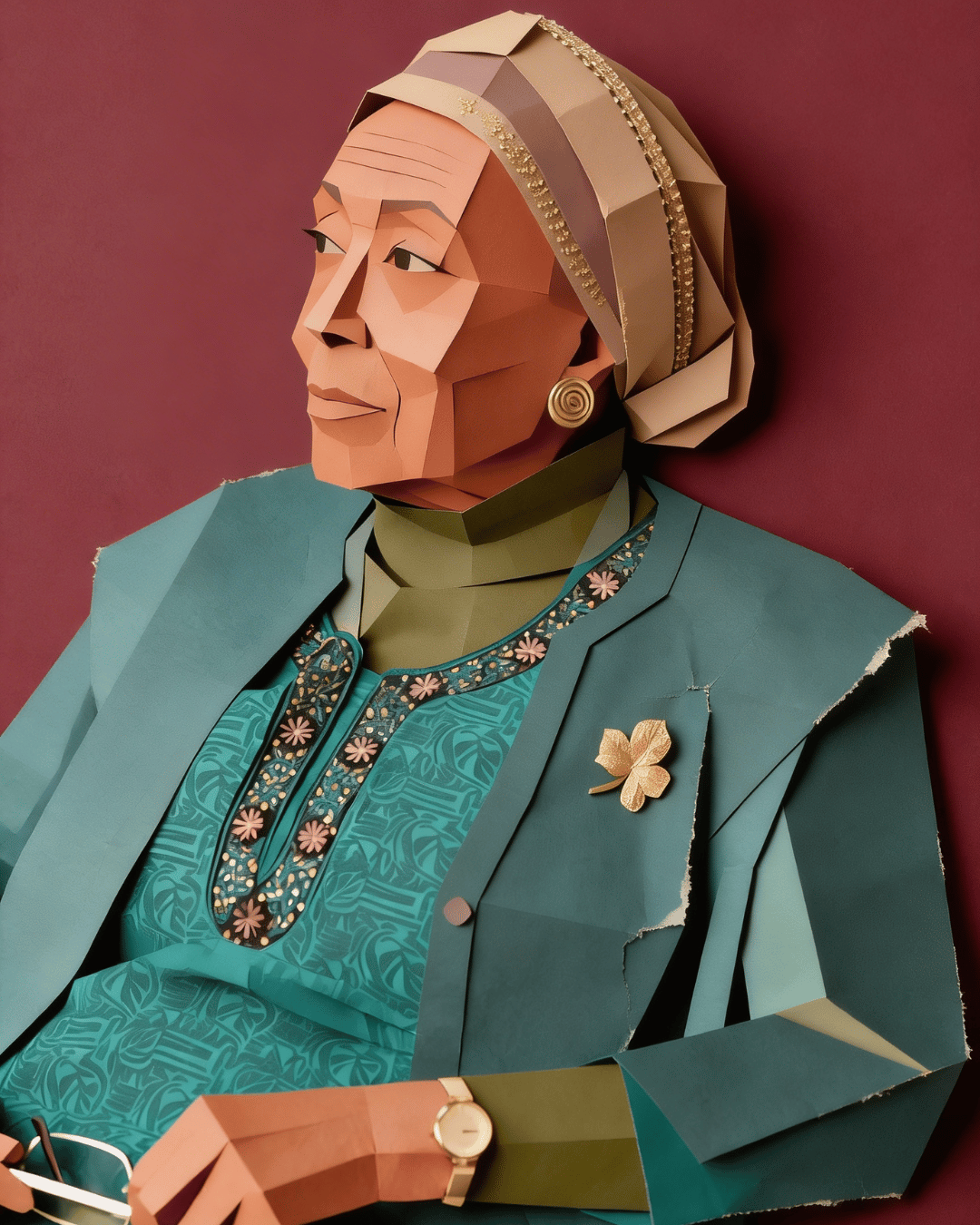
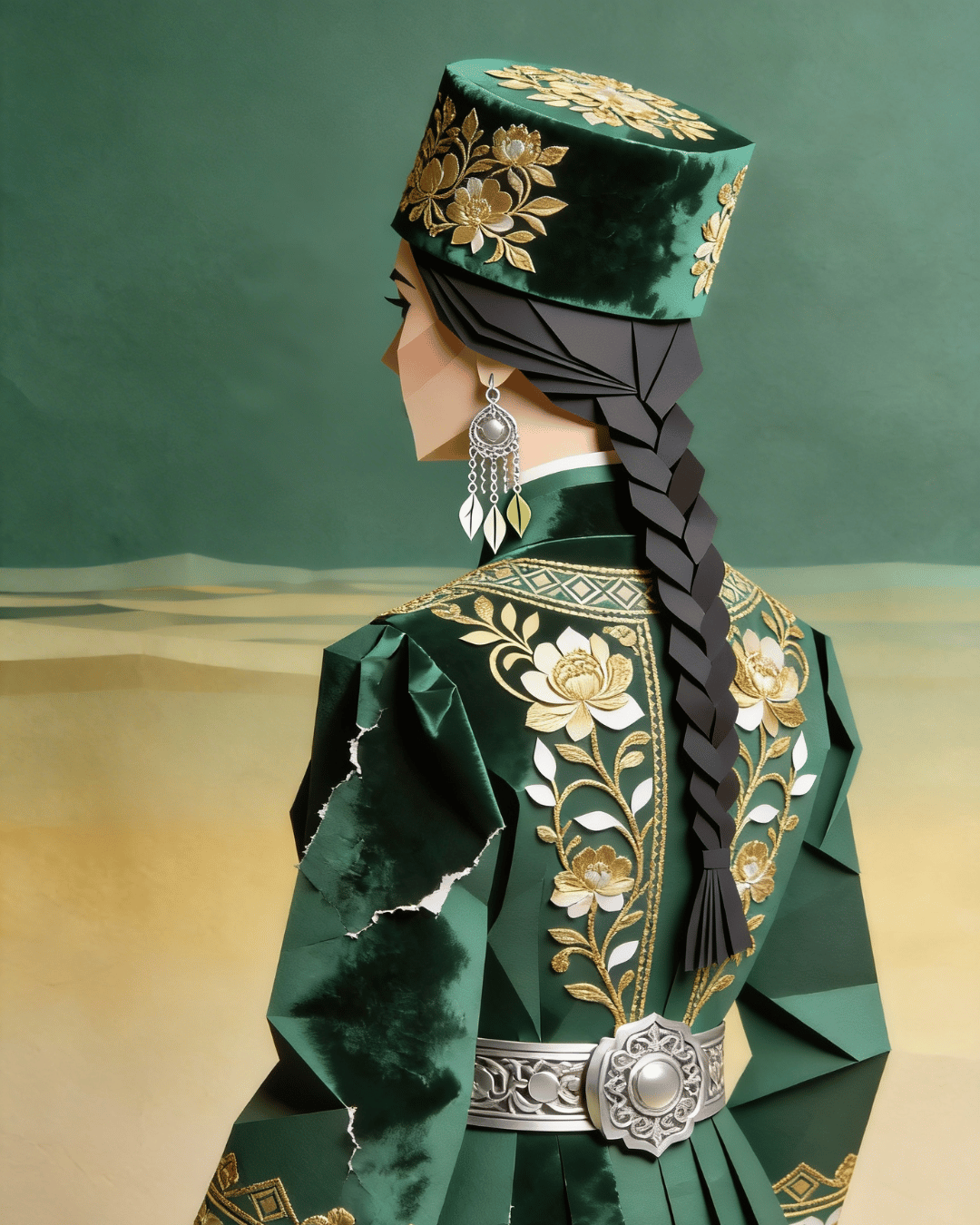
Crimean Tatars are one of the first Muslim nations to grant women the right to vote. In 1917 that happened even before some Western European countries did so. Crimean Tatar women were not only educators and cultural figures - they became politicians, gaining the support of male voters during 1918 elections to the Parliament of the Crimean Peoples` Republic. Since end of the 19 century, many prominent Crimean Tatar women have been actively engaged in advocacy of women's rights, equal opportunities, and dignity.
During Communistic and later Russian repressions against Crimean Tatars throughout the 20 and 21 centuries, they spoke out about repression, participated in protests, defended the rights of their people, supported the families of political prisoners, and engaged in human rights, cultural, and civic activities.
Shefika Gasprinskaya (1886-1975)
Journalist, politician and one of the first leaders of the Crimean Tatar women's movement. The daughter of the well-known in the Turkic world educator and reformist Ismail Gasprinsky, Shefika worked in the editorial office of her father’s newspaper "Terdzhiman", and in 1905 she headed the first in the world Muslim women's magazine printed in Crimea - "Alem-i Nisvan". She was a delegate to the 1st Kurultay (Parliament) of the Crimean Tatar people and achieved the consolidation of the principle of equality of women and men in the Constitution of the Crimean People's Republic. After the Bolshevik occupation of the peninsula in 1919, she was forced to emigrate to Turkey, where she founded the "Union of Crimean Tatar Women" (Istanbul) and continued her public activities. She remained a symbol of the struggle for women's rights and the future of Crimea.
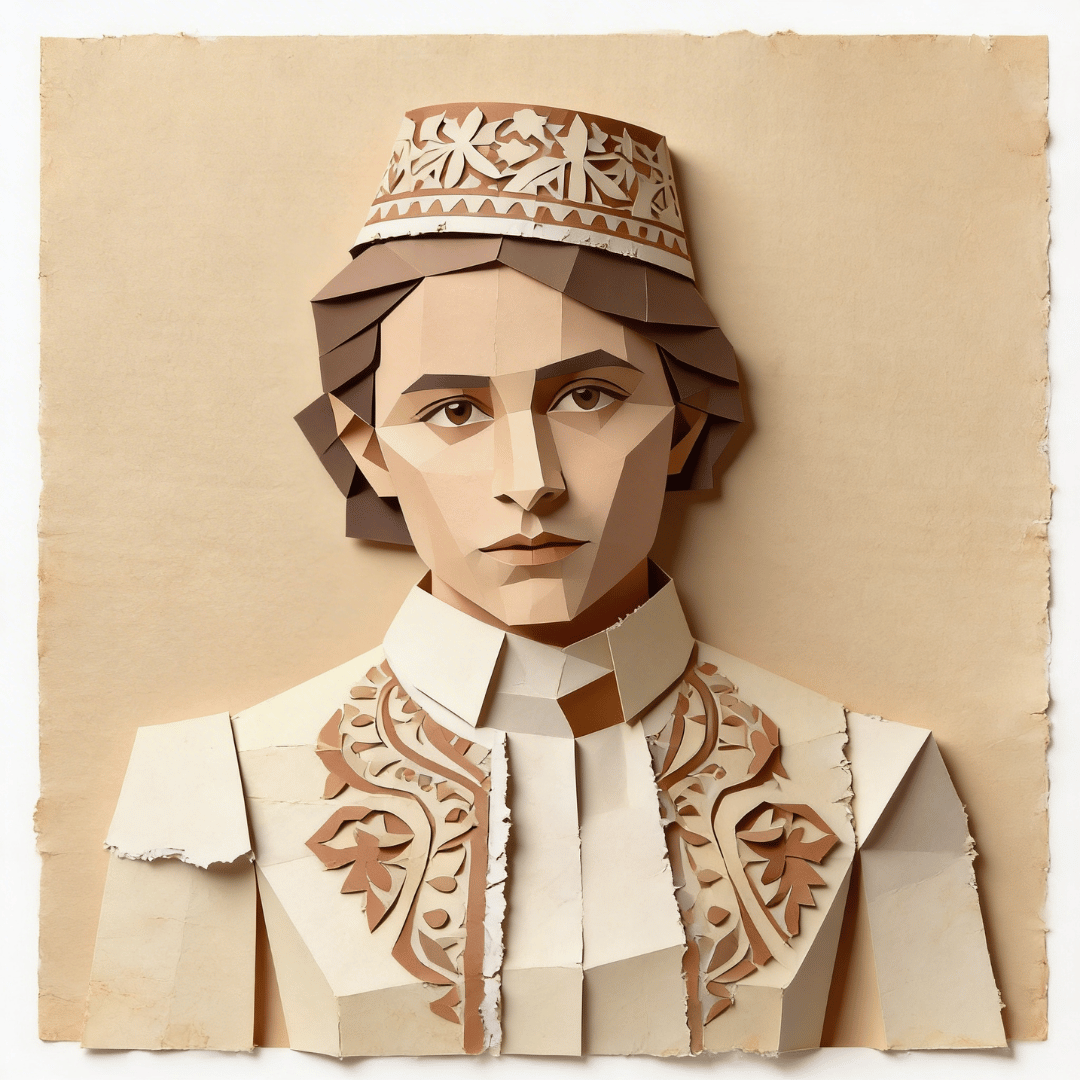
Saide Arifova (1916-2007)
A Crimean Tatar teacher who saved 88 Jewish children during the Nazi occupation of Crimea. Working as the headmistress of a kindergarten in Bakhchisaray, she forged documents and passed off the children as Crimean Tatars, risking her own life. After the return of Soviet power, she saved them a second time - from Soviet deportation, by handing over real documents to the Soviet security services. Despite this, she was deported to Uzbekistan along with the entire Crimean Tatar people in May 1944. In the 1990s, she returned to Crimea. Her story became the basis of the film "Another's Prayer". She became a true example of humanism and courage.

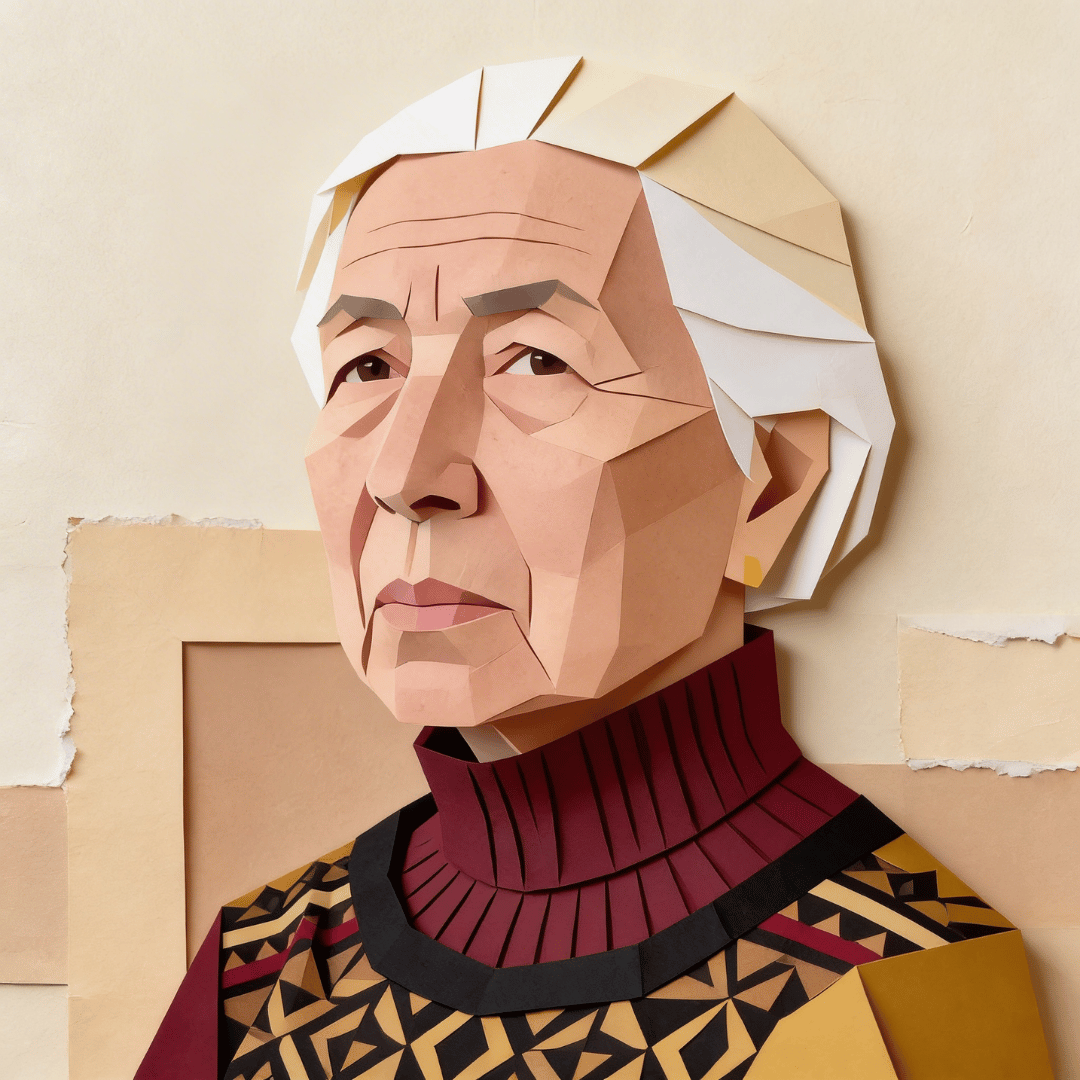
Ayshe Seitmuratova (1937-2025)
Dissident, journalist, historian and one of the most active participants of the Crimean Tatar national movement, which fought for the return of Crimean Tatars to their historical homeland from places after Soviet genocide and exile and the restoration of the rights of the people. She was arrested twice by the Soviet authorities for her civic position. In 1978, she escaped to the USA, where she collaborated with Radio Liberty, the BBC and the Voice of America, informing the world about the situation with the rights of the Crimean Tatars. During the decades of emigration, she became a public figure of global importance: she participated in many international conferences on human rights, gave reports on the Crimean Tatars at forums and conferences: in Western Europe and Asia. She met with world leaders. Thus, the US President Ronald Reagan invited her twice to an audience to the White House. In the early 1990s, Ayshe Seitmuratova returned to the Crimea, where she was actively involved in charity. In 2014, she spoke out against the occupation of Crimea. Until her last years, she remained a influential opinionmaker for her people.
The example of female leaders of the early 20th century inspired subsequent generations of Crimean Tatar women, giving them the strength to fight for the rights of their people in the conditions of deportation and repressive policies of the Soviet government.
While in the 20th century the main goal of Crimean Tatar women was survival in conditions of genocide, exile, limitation of the civic rights and the struggle to return to their homeland, in modern realities they face new challenges, especially after the occupation of Crimea by Russia in 2014. The Russian occupation authorities are intensifying repression against human rights activists, journalists, and educators among the Crimean Tatar community. In the spring of 2014, about 12,000 women took part in the "Women of Crimea for Peace" campaign.
Today, dozens of Crimean Tatar women are the representatives of the resistance movement, human rights defenders and simply mothers, sisters and wives of the Crimean Tatar political prisoners who, through their activist work, bring the voice of the people to the public, despite the pressure and persecution by the occupying authorities.
The manager of the Crimean Tatar Resource Center, Zarema Barieva, reports about the increase in the persecution of women in the temporarily occupied Crimea. According to her, at least 52 women have become victims of political persecution. Many of them are being held by the occupation authorities in pre-trial detention centers and colonies both in Crimea and on the territory of the Russian Federation. At the same time, the human rights activist noted that the exact number may be much higher, because some of the women illegally persecuted by the occupiers are in places of detention in incommunicado status — without contact with the outside world.

Almost every month, a new Crimean Tatar activist or group is sentenced to prison, sometimes to up to 20 years. Once in Russian custody, Crimean Tatar political prisoners face harsh conditions, including torture. Many Crimean Tatar men have been detained, and, once again, like during the communist yoke – women are taking an active role in saving a nation from extinction and continue to fight for the rights of their people.
Wives of political prisoners must take on the role of father and mother in raising their children. This means becoming the breadwinner for the family and fighting for justice in the face of chauvinism, sexism, prejudice and intimidation.
Russian security forces create on the peninsula an atmosphere of total fear. Home searches are often conducted at night or in the early morning, with threats and violence, especially against mothers and wives of political prisoners. For example, on October 15, 2025, the FSB broke into the homes in Bakhchisaray and detained Esma Nimetulayieva, a Crimean Tatar, mother of five and the wife of political prisoner Remzi Nimetulayiev. Such actions are part of a broader campaign, where women are accused of “extremism” or “discrediting the army” for posts on social media against the war in Ukraine or participation in peaceful protests. Since 2014, dozens of cases of torture and psychological pressure have been recorded, including denial of medical care and threats to take children away.
Many of Crimean Tatar women became activists after the arrest of their loved ones, continuing the fight for the freedom of others.
Lutfiie Zudiieva
Crimean Tatar human rights defender and journalist, has faced constant harassment by the Russian occupation administration since 2017, including searches, detentions and attacks. After she was added to the register of “foreign agents” in May 2025, the pressure intensified. Despite constant threats, she continues to coordinate support for the families of prisoners, document crimes, and provide legal assistance. In August 2025, an administrative protocol was drawn up against her for “political activity under foreign influence” due to materials on the rights of political prisoners prepared for CNN and Newsweek.
Leniie Umerova
Leniie Umerova, 26-year old, was captured by the Russians in 2022. She was traveling to Crimea to see her father, who has cancer. After her release in 2024, she continues to advocate for political prisoners, focusing on women's rights.
Mumine Saliieva
A well-known Crimean Tatar human rights defender, activist of the Crimean Solidarity initiative, and project coordinator. She is the wife of Crimean political prisoner, citizen journalist Seyran Saliiev, sentenced by Russian authorities to 16 years in prison.
These women are not only fighting for themselves and their families, but also creating networks of support across the occupied peninsula and beyond, conducting human rights campaigns, documenting persecution, and advocating. Many, like Zudiieva and Saliieva, have become “citizen journalists,” documenting searches and trials, despite the risk of arrest.
The persecution of Crimean Tatars and in particular the Crimean Tatar women is not an isolated injustice — it is a test of the world’s commitment to human rights. Silence only strengthens repression. The international community must act now to demand accountability and ensure that Crimea does not remain a place where courage is punished and justice denied.
Further reading:
- Women. Stories. Crimea. Press- release. Mission of the President of Ukraine in the Autonomous Republic of Crimea. Accessed: https://ppu.gov.ua/press-center/zhinoche-oblychchia-sprotyvu-okupantam-v-krymu/
- Suspilne Krym. Accessed: https://suspilne.media/crimea/1272948-menedzerka-krc-zarema-barieva-otrimala-premiu-up-100-sila-zinok-ta-prisvatila-ii-vsim-zinkam-krimu-pid-okupacieu/?fbclid=IwY2xjawQ3juxleHRuA2FlbQIxMQBzcnRjBmFwcF9pZBAyMjIwMzkxNzg4MjAwODkyAAEeZNi1RChuh-FqsxBLod4NUQWxxvJHepwNgiJ1G1_db9Q2HELju9ONcGab2T0_aem_Y9GEMWo5_Tl5PGR2kFGK2g
- Feminism in Crimean Tatar society: history. Accessed: https://genderindetail.org.ua/library/istoriya-i-pamyat/feminism-v-krymsko-tatarskomu-suspilstvi.html
- Crimean Tatar women bravely defend their husbands from Russian occupiers. Accessed: https://foreignukraines.com/2021/04/03/krymskotatrsky-zinky-smilyvo-zahyschaut-svoikh-cholovikiv-vid-rosijskykh-okupantiv/
- The path of Crimean Tatar women to equality. Accessed: https://bomedia.com.ua/%D1%88%D0%BB%D1%8F%D1%85-%D0%BA%D1%80%D0%B8%D0%BC%D1%81%D1%8C%D0%BA%D0%B8%D1%85-%D1%82%D0%B0%D1%82%D0%B0%D1%80%D0%BE%D0%BA-%D0%B4%D0%BE-%D1%80%D1%96%D0%B2%D0%BD%D0%BE%D1%81%D1%82%D1%96/
- November 29 – International Day of Women Human Rights Defenders: Women of Crimea. Accessed: https://crimea-platform.org/news/29-lystopada-mizhnarodnyy-den-zhinok-pravozakhysnyts-zhinky-krymu/